Tree Pruning in Kensington: Local, Careful Tree Care for Homes and Businesses
If you are looking for tree pruning in Kensington, you are probably dealing with a tree that has become too dense, too tall, uneven, or simply a little difficult to manage. In a place like Kensington, where gardens, terraces, mews properties, commercial frontages, and shared outdoor spaces are all part of the local landscape, the right pruning work can make a big difference. Good pruning is not just about making a tree look neat. It is about improving structure, encouraging healthy growth, reducing hazards, and helping trees sit better within a busy urban setting.
Local property owners often need pruning for very practical reasons: branches shading out a garden, limbs interfering with rooflines, overgrowth near pathways, or trees that are becoming awkward around neighbouring boundaries. A skilled local team understands how to work sensitively in built-up streets, manage access safely, and carry out pruning that suits both the tree and the property. Whether you need a one-off tidy-up, crown thinning, formative pruning, or more targeted tree maintenance, the service should be thoughtful, tidy, and tailored to the space.
In Kensington, trees often sit close to homes, basement light wells, paved courtyards, private gardens, communal squares, and commercial premises. That means pruning needs to be done with care and planning. A rushed approach can leave trees stressed or untidy, while the right approach can improve appearance, reduce risk, and support long-term tree health. If you want to book a local tree pruning service, it helps to understand what is involved, what affects the cost, and how a professional team works in the area.
Why Tree Pruning Matters in Kensington
Urban trees do a lot of work in Kensington. They soften hard landscapes, add privacy, improve kerb appeal, and contribute to the character of streets and gardens. But because space is often limited, trees also need careful management. Without pruning, crowns can become congested, branches may rub or split, and growth can drift into areas where it causes day-to-day inconvenience. Pruning helps keep trees balanced and manageable while respecting the immediate surroundings.
Well-timed tree pruning can also help reduce common issues caused by the local environment. In narrow roads and tightly packed residential streets, branches can interfere with foot traffic, neighbouring properties, or views. In commercial settings, overhanging growth can affect shopfront presentation, signage, access routes, and outdoor seating areas. In both cases, pruning is a practical investment in safety, presentation, and usability.
Another important reason to prune is long-term tree health. Removing dead, damaged, or poorly placed limbs can reduce the risk of breakage and help a tree direct energy into stronger, better-positioned growth. For many Kensington customers, the goal is not to remove too much, but to preserve the tree in a way that suits the setting. Thoughtful pruning supports both appearance and structure, which is especially valuable where trees are part of a carefully maintained property.
Local Tree Pruning Services for Homes and Businesses

Kensington has a mix of property types, and the right pruning approach depends on the setting. A terraced house with a compact rear garden calls for a different method than a landscaped communal courtyard or a retail frontage near a busy street. A local tree team can adapt the work to the space, the species, and the customer’s priorities, whether that means clearing light, improving shape, or making access safer.
Homeowners often ask for pruning to bring trees back into proportion with the garden. That might include lifting low branches for clearance, thinning the crown to let in more daylight, reducing encroachment on fences or buildings, or removing weak limbs that could fail in wind. In residential areas, the work often needs to be carried out neatly and with minimal disruption to neighbours, parked vehicles, and shared access paths.
Businesses and managing agents may need regular pruning to keep external areas presentable and functional. Trees outside offices, hotels, restaurants, and commercial premises can quickly affect the look and use of the space if they are not maintained. A reliable service should understand scheduling needs, site access, waste removal, and the importance of working tidily in public-facing locations.
What Tree Pruning Can Include
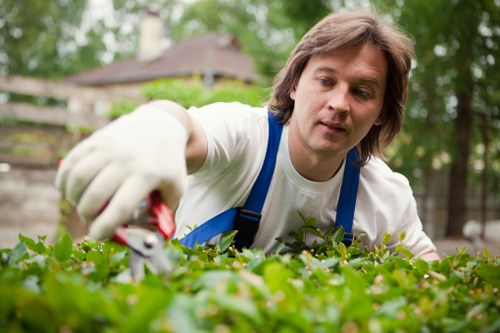
Tree pruning is not one single task. The right service depends on the tree’s condition, the goal of the work, and the season. A proper assessment helps determine what should be removed and what should be left to continue supporting the tree. In many cases, a balanced mix of selective cuts gives the best result.
Common pruning work includes:
- Crown thinning to reduce density while keeping the natural shape
- Crown lifting to remove lower branches and create clearance underneath the canopy
- Crown reduction to carefully reduce size while maintaining balance
- Deadwood removal to take out dead or weakened branches
- Formative pruning for younger trees to encourage a strong structure
- Selective pruning to address specific issues near buildings, paths, or boundaries
- Correction of crossing or rubbing branches to reduce future damage
In Kensington, pruning often needs to be shaped around the property rather than forcing the property to adapt to the tree. That means working carefully around walls, rooflines, windows, courtyards, and neighbouring gardens. A good result should look natural, not overcut, and should support the tree’s ongoing growth. Heavy-handed pruning may solve a short-term issue but create longer-term problems, so the balance matters.
How a Professional Tree Pruning Service Works
A proper service starts with a site visit or initial assessment. This is where the tree is checked for size, species, shape, condition, access restrictions, and the reason for the pruning request. In Kensington, this step is especially important because access can be tight and the surrounding environment can affect the method used. Courtyards, narrow side passages, restricted parking, and shared entrances all influence how the work is planned.
After the assessment, the pruning approach is agreed based on the tree and the customer’s aims. For example, a tree blocking light into a rear garden may need crown thinning and selective limb removal, while a roadside tree affecting clearance may need lifting and structural reduction. The aim is to achieve the outcome without compromising the tree’s health or creating unnecessary stress. If the tree is mature or particularly valuable, a cautious approach is usually the best one.
The work itself should be carried out cleanly and safely. A local team will normally bring the right equipment, protect the site where needed, and clear away cut material once the pruning is complete. This matters in Kensington, where gardens and paved areas are often small and where customers usually expect the property to be left tidy. If required, the team can also discuss ongoing maintenance so the tree can be managed in a sensible cycle rather than left too long between visits.
Why Kensington Properties Need a Local Approach

Tree pruning in Kensington is rarely a one-size-fits-all job. The area includes elegant period homes, mansion blocks, mews houses, apartments with shared gardens, business premises, and landscaped communal spaces. These settings can be sensitive, compact, and busy, which means pruning work must be carefully planned. A local company is better placed to understand the practical realities of working in the area, from limited loading space to the need for quiet, tidy, and efficient site management.
Parking and access can be challenging in many parts of Kensington. Equipment may need to be moved through narrow entrances, over shared surfaces, or into rear gardens with restricted entry. These are the kinds of details that can make a big difference to the customer experience. A team used to local conditions will know how to adapt, reduce disruption, and complete the work with minimal inconvenience to you or your neighbours.
Local knowledge also helps when working around common tree species and the typical demands placed on them in urban gardens. Trees in built-up settings may be dealing with shade, compacted soil, limited rooting space, and competition from nearby structures. Pruning should respect those conditions rather than adding extra stress. Choosing a nearby service means you are more likely to get someone who understands the balance between tree care and the practical realities of Kensington living.
Benefits of Regular Tree Pruning
Many customers think of pruning only when a tree becomes too large or starts causing an obvious problem. In fact, regular maintenance can prevent issues from escalating. Keeping a tree in good shape helps it remain safer, more attractive, and easier to manage over time. It can also reduce the chance of needing more severe work later.
Here are some of the main benefits:
- Improved light into gardens, windows, and lower rooms
- Better clearance for paths, driveways, and entrances
- Reduced risk of branch failure caused by dead or crowded growth
- More attractive shape and better overall appearance
- Less conflict with buildings, fences, and neighbouring spaces
- Healthier long-term structure, especially for younger trees
- Greater practicality for commercial and shared properties
For many property owners, the biggest benefit is peace of mind. Knowing that a tree has been assessed and pruned properly can make the whole space feel more manageable. When the work is done well, it usually looks subtle rather than dramatic. That is often the mark of a professional job: the tree still looks like itself, only healthier, better balanced, and more suitable for the environment.
Signs a Tree May Need Pruning
If you are unsure whether now is the right time, there are a few common signs that suggest the tree could benefit from attention. These include branches brushing against walls or windows, areas of deadwood, a crowded or lopsided canopy, low limbs blocking access, and growth that has become awkward for neighbouring properties. You may also notice reduced light or increasing leaf drop in areas where the tree has spread too far.
Sometimes the issue is not about danger but about everyday use. A tree may be healthy, yet still be in the wrong place for the current layout of the garden or building. In those cases, pruning can restore practicality without removing the tree. If the situation is less clear, a local arboricultural team can assess the tree and advise on the most suitable action.
What to Expect on the Day

For customers arranging tree pruning in Kensington, it helps to know how the day typically runs. Once the team arrives, they will usually confirm the work to be done, check access, and set up the site safely. If the tree is in a tight location, particular care may be taken to protect paving, planting, walls, or shared routes. In many cases, the job is completed efficiently with the aim of limiting noise, disruption, and mess.
The pruning itself is generally done using professional tools and techniques suited to the tree and the site. Branches may be removed in sections, especially where space is limited or where the crown sits close to structures. The final result should be clean and proportionate. Any agreed waste removal should follow, leaving the area neat and usable again. For many customers, this tidy finish is just as important as the pruning work itself.
If you have questions during the visit, it is sensible to ask them before the work starts. A good local service should explain what will be removed, what shape the tree should retain, and whether any follow-up maintenance is advisable. Clear communication helps avoid misunderstandings and ensures the result fits the property owner’s expectations.
Preparation Checklist for Customers
Getting ready for pruning does not need to be complicated, but a little preparation can help the work go more smoothly. This is especially true in Kensington, where properties may have limited access, shared gates, or areas that need to be kept clear for neighbours and visitors. If you are planning a visit, a few simple steps can make a real difference.
- Move vehicles if access is needed for equipment or waste removal.
- Clear away garden furniture, pots, or fragile items near the tree where possible.
- Let neighbours or building managers know if shared access will be used.
- Unlock side gates or secure areas that the team may need to pass through.
- Identify any areas where you would like extra care, such as lawns, flower beds, or paving.
- Make sure someone is available to confirm the work if questions arise on site.
You do not need to tidy the whole garden in advance. The main aim is to make access easier and reduce the chance of accidental damage. If there are specific concerns, such as low windows, delicate planting, or limited headroom, it is worth mentioning them before the pruning begins. The more clearly the team understands the setting, the better they can work around it.
Pricing Factors for Tree Pruning in Kensington
Customers often want to know what affects the price of pruning. While exact costs depend on the tree and the site, several common factors influence how much work is involved. Understanding these helps you compare quotes in a sensible way and choose the right level of service.
Typical pricing factors include:
- The size and height of the tree
- The amount of material to be removed
- The complexity of the pruning requested
- Site access and whether equipment can be brought close to the tree
- Parking and loading restrictions
- Whether waste needs to be removed from the property
- The number of trees involved
- Any extra care required around buildings, walls, or shared spaces
In Kensington, access and logistics can play a larger role than customers expect. A tree that looks straightforward from the street may be more complex to reach from the rear. Likewise, a small garden tree may require careful handwork if it sits close to a property boundary or over a fragile surface. A trustworthy local provider should explain these points clearly and provide a quote based on the real scope of the work.
Why Choosing a Local Company Helps
There are practical advantages to choosing a company that regularly works in Kensington and nearby areas. Local teams are usually more familiar with the streets, the parking situation, and the variety of property layouts. They are also more likely to understand how to work efficiently in places where space is limited and privacy matters.
Nearby customers often include homeowners in Kensington, landlords, estate and block managers, letting agents, retail businesses, hospitality venues, schools, and other property owners who need reliable maintenance. A local company can respond more easily to urgent issues, arrange repeat work at suitable intervals, and provide a more tailored service than a one-off contractor unfamiliar with the area.
Another benefit is consistency. If you need pruning over several seasons, or if your tree care needs are linked to other garden maintenance, it helps to have a team that already knows the property and the trees. That kind of familiarity can lead to better planning and better long-term decisions. Local knowledge matters when the work must be done carefully and in a way that suits the setting.
Areas Covered Around Kensington
Tree pruning work is often requested not only in Kensington itself but also in the surrounding parts of west and central London. This includes nearby residential and commercial districts where similar access issues, property styles, and tree management needs are common. If you are in or around the area, a local team may be able to help with tree pruning, crown work, and general maintenance.
Typical nearby areas may include:
- South Kensington
- Notting Hill
- Earls Court
- Holland Park
- Bayswater
- Chelsea
- Paddington
- West Brompton
If your property is just outside Kensington, it is still worth asking. Proximity can make a difference to availability, and many local tree care teams work across multiple nearby neighbourhoods. The key is finding a service that understands both the trees and the built environment they are growing in.
Frequently Asked Questions
How do I know if my tree needs pruning or removal?
In many cases, pruning is enough to improve shape, safety, and light levels. Removal is usually only considered when a tree is severely damaged, unhealthy, or unsuitable for the site. A site assessment is the best way to decide. If the tree can be managed safely and sensibly through pruning, that is often the preferred option.
Will pruning damage my tree?
When done correctly, pruning should support the tree rather than harm it. The key is to remove the right material at the right time and avoid overcutting. Poorly executed pruning can stress a tree, so it is important to use a team that understands tree structure and good arboricultural practice.
How often should trees be pruned?
The answer depends on the tree species, age, location, and purpose of the work. Some trees need regular attention every few years, while others only need occasional maintenance. Trees in small urban gardens or near buildings may need more frequent monitoring than those in larger open spaces.
Can pruning help with blocked light?
Yes, selective pruning can improve light levels by reducing density, lifting the canopy, or removing specific branches. The exact method depends on the tree and the amount of light you want to restore. A careful approach is usually better than removing too much at once.
Is winter a good time for tree pruning?
Often, yes, but the best timing depends on the species and the purpose of the pruning. Some trees are better pruned during dormancy, while others are best left until a different season. A professional can advise on timing based on your tree’s needs.
Will the work be disruptive to neighbours?
Any tree work can create some noise, but a local team should plan the job to reduce disruption where possible. In Kensington, that usually means working efficiently, managing equipment carefully, and keeping the site tidy throughout the visit.
Choosing the Right Tree Pruning Service in Kensington
When comparing providers, look for clear communication, local experience, and a practical understanding of the site. You want a team that listens to what you need, explains what can be done, and carries out the work with care. Price is important, but so is the approach. The cheapest option is not always the best if the tree or property is likely to be left in poor condition.
It is also worth asking how the team will handle access, waste, and protection of surrounding areas. In a place like Kensington, these details matter as much as the pruning itself. A well-organised service should be able to work neatly in confined spaces, respect the property, and leave the tree in a healthier, more manageable state.
If you have been putting off the job because the tree seems tricky or the access looks complicated, that is exactly the kind of situation where an experienced local company can help. Request a free quote or arrange an assessment, and you can find out what is possible without committing to unnecessary work.
What a Good Result Looks Like
A successful pruning job should look balanced, natural, and appropriate for the setting. The tree should still feel like part of the property, not overworked or reduced beyond what is sensible. You should notice better light, safer clearance, and a neater overall appearance without losing the character that made the tree worth keeping in the first place.
Ready to Improve Your Trees?
If your garden, frontage, or shared outdoor area would benefit from careful tree pruning in Kensington, now is a good time to take action. Contact us today to discuss your trees, ask about the best approach, and arrange the next step. Whether the job is small and tidy or more involved, professional pruning can make your property safer, brighter, and easier to enjoy.
Book your service now and get the right tree care for your Kensington property.